(02) 8606 2218

 About Us





As the breadth of technology and communication rapidly expands, it is becoming increasingly difficult to figure out someone’s intention from behind a screen. Messaging services, dating apps, and social media are all now potential domains for dangerous and deceptive people, and the consequences can be severe.
So, NSW now has a standalone offence of luring someone under false pretences to assault or rob them. The offence sits in section 54BA of the Crimes Act 1900 (NSW) and was introduced by the Crimes Legislation Amendment (Hate Crimes) Bill 2026, which passed the Legislative Council on 2 June 2026.
The laws seem to address a material concern, and look to reinforce truthful and genuine interactions. However, the reforms may simultaneously increase liability for marginalised groups, and overreach into the longstanding grey area of personal communications.
Procuring Victims By Making False or Misleading Representations Offences and Penalties in New South Wales
Section 54BA of the Crimes Act 1900 (NSW) makes it a criminal offence to lure a victim with a false or misleading representation, intending to commit a serious assault or robbery against them. The maximum penalty for this offence carries up to 5 years’ imprisonment.
To be guilty of this offence, the prosecution must prove beyond reasonable doubt that the accused:
- procured, or attempted to procure, the victim; and
- did so by making a false or misleading representation to the victim; and
- intended to commit a serious assault offence or a robbery offence against the victim.
A “serious assault offence” means an offence under sections 33, 35, 58 or 59 of the Crimes Act, which include wounding or causing grievous bodily harm and assault occasioning actual bodily harm. A “robbery offence” means an offence under Part 4, Division 2 or 3 of the Act, which covers ‘Robbery’, and ‘Demanding property with intent to steal’.
The offence is complete once the lure is attempted. No meeting, assault or robbery needs to take place: in other words, the objective behind the luring doesn’t actually need to happen.
Although it was designed with apps such as Grindr and Wizz in mind, section 54BA does not mention apps or technology at all. Nor does it require any hatred or prejudice. Attorney General Michael Daley said the laws were introduced for LGBTQ+ hate crimes “but they’ll apply in all contexts”.
Section 54BA is a Table 2 offence under the Criminal Procedure Act 1986 (NSW). It will be dealt with in the Local Court, where the maximum sentence for a single offence is two years, unless the prosecution elects to take it to the District Court. The Act commences on assent, and a Legislative Council amendment requires the laws to be reviewed after two years.
Significantly, what proves as a hurdle to prosecute is that the offence is a specific intent offence. This means that the prosecution must prove that the accused person intended to cause a specific result beyond just committing the physical act(s). The specific intent here that must be proved beyond reasonable doubt is that the accused intended to commit a serious assault offence or robbery offence against the victim. It becomes a hurdle to prove if the accused at the time was intoxicated from drugs and/or alcohol to such an extent that it permits the court to have a reasonable doubt.
Surrounding Laws in NSW
The luring offence was one of several changes made and sits alongside a number of existing offences, including the below.
Publicly Threatening or Inciting Violence
Section 93Z of the Crimes Act makes it an offence to publicly threaten or incite violence on the grounds of race, religion, sexual orientation, gender identity, intersex or HIV/AIDS status. The Act lifted the maximum penalty from three to five years’ imprisonment. It also created an aggravated offence in section 93Z(1A), carrying up to seven years, where the threat or incitement results in violence.
Post and Boast Offences and Penalties
The post and boast “performance crime” offence in section 154K previously applied only to motor vehicle theft and break and enter offences. It now extends to serious assault and robbery offences. A person who commits one of those offences and shares material advertising their involvement faces the maximum penalty for the underlying offence plus two years.
Hatred as an Aggravating Factor on Sentencing
Section 21A(2)(h) of the Crimes (Sentencing Procedure) Act 1999 (NSW) treats hatred or prejudice as an aggravating factor on sentence. New section 21A(5BA) deems an offence to be motivated by hatred or prejudice if the offender demonstrated or expressed it at the time of the offence, or immediately before or after it.
Attempts and Accessories
Before section 54BA, a person who set up a victim could already be charged as a joint offender or accessory if an attack followed. Where no attack occurred, prosecutors generally had to rely on conspiracy or attempt. An attempt requires conduct that goes beyond mere preparation, and arranging a meeting may not be enough.
Reasons for the Reforms
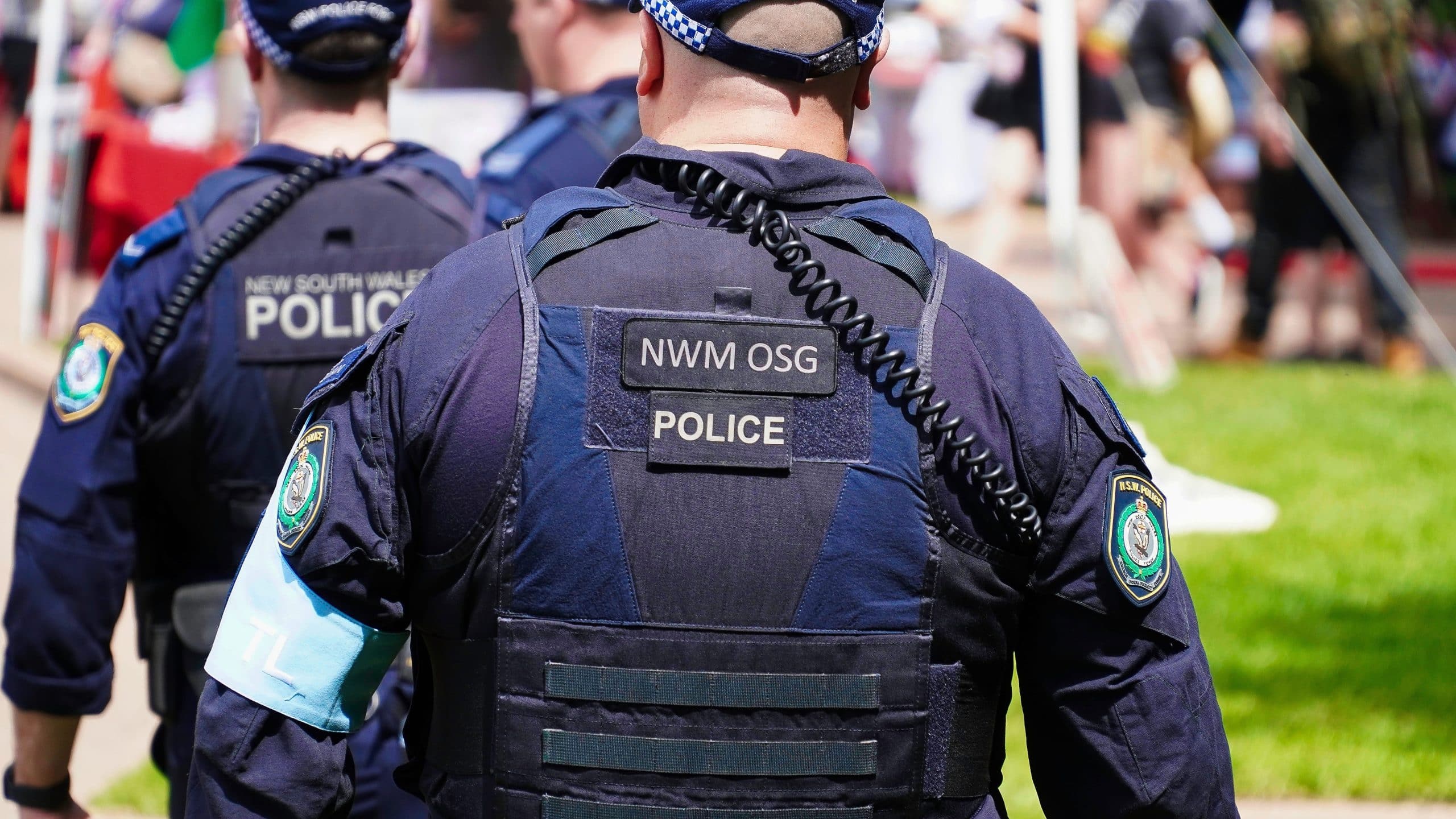
The reforms respond to so-called “bait and bash” attacks, in which gay and bisexual young men were contacted on dating apps, lured to isolated places, then bashed, robbed and filmed.
In February 2026, a two-year ABC investigation reported on assailants attacking gay and bisexual teenagers in Sydney, with cases dating back to 2023. At least 64 people had been charged in NSW and Victoria over dating app-related attacks. Some offenders were linked to extremist networks, while others were connected to far-right and misogynistic online communities.
Almost 200 anti-LGBTQIA+ hate crime incidents have been reported in NSW since 2023, and analysis of them suggests teenage boys are the main drivers.
Premier Chris Minns promised a review of hate crime laws, and the Bill was introduced on 17 March 2026. The Government’s case was that the existing law did not capture the deception used to set up these attacks, while footage shared afterwards was helping to promote the offending.
The reforms have been praised for how they stand up for marginalised groups, but have attracted material objections for multiple reasons.
An age-old criticism of attaching penalties to conduct is that criminalising antisocial behaviour is rarely the best measure to address it. Greens MLC Sue Higginson told Parliament “I profoundly disagree with the approach to criminal law reform that the bill exemplifies”, warning of an escalating crisis in the justice system that targets First Nations people. Her colleague Dr Amanda Cohn said the laws send an important message but will not themselves make communities safer, and urged against criminalising young people. After all, a primary aim of the criminal justice system is to keep children out of it. The Greens backed the Bill after an amendment requiring a two-year review to look for unintended consequences, overreach and enforcement problems.
The NSW Council for Civil Liberties has also pointed out the lack of substantive evidence that higher penalties prevent these crimes, and criticised a lack of consultation. Equality Australia said stronger penalties must be matched by better reporting pathways and funded victim support. Other critics have questioned a response that relies on victims reporting to police, given the criminal law’s history of being used against queer people. That is, the medium by which justice is meant to be served is too often intrinsically linked to the injustice it purports to protect.
Finally, from a defence perspective, section 54BA may be too wide. It has no hate element and applies to any victim, so it could catch a fake buyer who arranges to meet an online seller in order to rob them. It also overlaps with existing accessorial liability where an attack goes ahead.
Because no harm needs to occur, many cases will turn on intent inferred from messages, group chats and app data. In a climate where shades of communication vary so drastically between people and cultures, this inference has never been more tenuous. This creates a real risk of governmental overreach, particularly for young people.
Whether section 54BA is kept for coordinated “bait and bash” attacks or used more widely will become clearer as cases reach the courts and the two-year review is carried out. Until then, the issue is live, and we are bound to see more developments.
By Subhan Mustafa and Jimmy Singh.
Book a Lawyer Online
Make a booking to arrange a free consult today.
Call For Free Consultation
Call Now to Speak To a Criminal Defence Lawyer

Over 40 Years Combined Experience

Proven SuccessAustralia-Wide

Experienced LawyerGuarantee
 (02) 8606 2218


 Print